
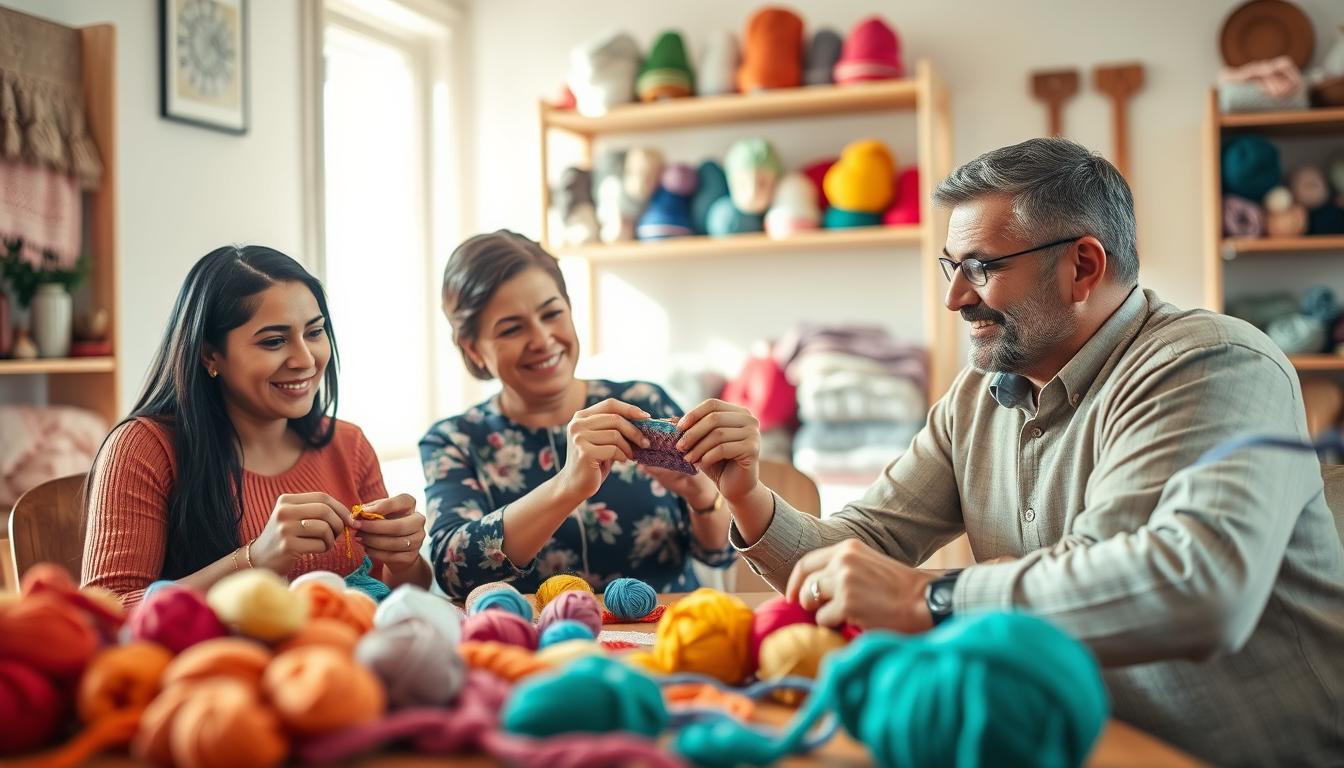
Crochet is a soothing craft that turns a simple hook and yarn into useful, handmade items. If you want to learn crochet, beginner classes offer step-by-step guidance. They teach you how to hold the hook and make basic stitches.
These sessions include a clear crochet tutorial and small projects. You finish class with something you made by yourself.
Many crochet workshops run weekly and list supplies upfront. You usually need to bring a crochet hook and a ball of yarn. Some classes adjust for different ages, sometimes offering youth groups for ages 9–12. They also change session length for smaller enrollments. Pricing can vary, with a common fee around $140 for a course.
You can register by phone at (718) 631-6343 or through an instructor’s Instagram link.
Besides technique, crocheting classes add creativity and mindfulness to your routine. Repetitive stitch work provides a calming focus and can improve your mood. Many instructors share student progress and updates on Instagram.
Whether you join a local workshop or follow an online tutorial, these beginner classes make crocheting easy and fun to start.
Key Takeaways
- Beginner crochet classes teach basic stitches and how to hold the hook.
- Typical supplies: one crochet hook and a ball of yarn.
- Classes often run weekly with set time slots and age-specific groups.
- Workshops offer mindful, creative benefits through repetitive stitch work.
- Common course fee example: $140; phone registration example: (718) 631-6343.
- Instructors frequently use Instagram for updates and registration links.
Why Crocheting Classes Are a Great Way to Learn New Skills
Crocheting classes turn a simple hook and yarn into clear creative progress. Students learn basic stitches and finish small projects that feel rewarding.
This hands-on approach highlights crochet benefits for focus, skill-building, and a real sense of accomplishment.
Creativity and mindfulness benefits
Beginners find repetitive motions help quiet the mind and boost mood. Evidence links the rhythmic feel of crochet to a lower heart rate and calmer thoughts.
Regular practice offers stress relief while letting makers try different colors, textures, and patterns.
Beginner-friendly learning environment
Starter lessons teach single crochet, double crochet, and half double crochet stitches. This helps new crafters see steady progress.
Teachers use short projects and checklists to reduce overwhelm and build confidence. This approach lets beginners try new ideas without pressure.
Community and peer learning
Group classes create social loops where peers trade tips and inspire each other. Club-style check-ins and sharing squares encourage helpful feedback.
This builds a strong crochet community. Peer learning speeds up skills and connects makers through shared progress.
| Class Feature | What You Gain | How It Helps |
|---|---|---|
| Short weekly projects | Visible progress each week | Builds habit and supports crochet for stress relief |
| Step-by-step demonstrations | Clear technique and faster learning | Makes beginner-friendly crochet truly accessible |
| Group feedback sessions | Peer tips and motivation | Strengthens peer learning crochet and the crochet community |
| Creative prompts | New design ideas | Enhances mindfulness and crochet as a creative practice |
What to Expect in a Crocheting Classes Session
A typical class blends clear instruction with hands-on practice. Learners leave ready to make simple items. Many community centers and Michaels stores start with a brief check-in where students share progress.
Teachers follow a crochet lesson plan. It balances step-by-step demos with time for one-on-one guidance.
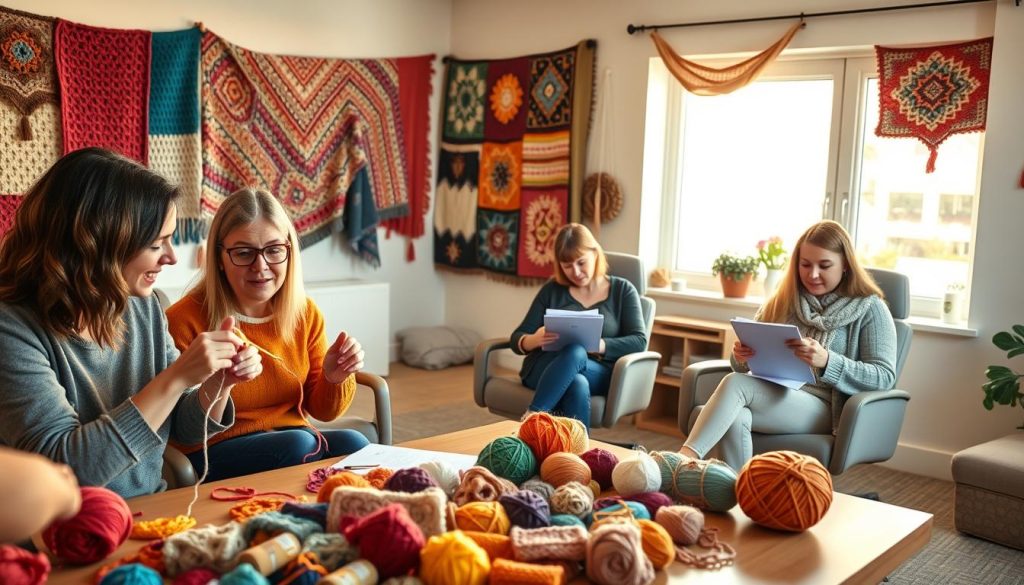
Classes often post the weekly project in advance. This lets students review patterns and prepare materials.
Instructors assess each student’s skill level. They then tailor the crochet lesson plan. This offers either close guidance or more creative freedom.
Typical activities include warm-up stitch practice, instructor demonstration, paired work, and a short checkout to set goals for the next meeting.
Small enrollments may shorten the session. Ongoing clubs run longer and allow steady progress.
Sample projects rotate so learners build confidence quickly. Many programs use crochet projects for beginners chosen for quick wins and useful results.
Expect projects like bandanas for pets, granny square purses, simple hearts, and flower coaster bouquets.
Toys such as swinging plush or worry worms may appear. These require safety eyes and extra supplies. Weekly cadence and predictable rotations help students plan which projects to try.
Gathering the right tools makes sessions more productive. Instructors post a supply list tied to each project. This way, novices know what to bring.
Clear guidance on what to bring reduces guessing. It lets lessons focus on skill building.
Common crochet supplies include medium-weight yarn and super-bulky options like Bernat® Forever Fleece™ for chunky starter pieces.
Hook sizes often suggested are size 8–10 for bulky yarn and size 5–7 for medium yarn. Bring scissors, a tapestry needle, and optional safety eyes for plush toys.
| Topic | What to Expect | Recommended Items |
|---|---|---|
| Opening Routine | Sharing Square check-in; review goals; announce Project of the Week | Notebook for notes; printed pattern or pattern link |
| Instruction Style | Step-by-step demonstrations with one-on-one help; skill assessments | Hook matched to yarn; sample swatch |
| Sample Projects | Granny square purses, flower coasters, bandanas, hearts, plush toys | Medium or super-bulky yarn; safety eyes for toys |
| Project Cadence | Weekly rotation; projects posted up to four weeks in advance | Planner or calendar to track upcoming projects |
| Class Formats | Short multi-week series, ongoing clubs, age-specific or mixed-level groups | Appropriate yarn weight and hook size per class |
| What to Bring | Basic tools and suggested extras to match the lesson | Crochet supplies: hooks, yarn, scissors, tapestry needle |
How to Choose the Best Crocheting Classes for Your Goals
Picking the right class starts with checking your current skill level and goals carefully. Review course descriptions to ensure beginner basics are covered. For a beginner crochet workshop, choose a session with step-by-step teaching and small class sizes for hands-on help.
Match class level and age group
Look for programs specifying age ranges when searching for the best crochet classes near me. Youth clubs often say ages like 9–12.
Community centers and yarn shops usually welcome mixed ages. Choose classes that fit your experience level: some accept total beginners, others expect basic stitches.
Consider format, schedule, and enrollment
Decide between online and in-person options by previewing instructors on Instagram or social media. Check schedules for weekly times, like Tue 1PM or Fri 7PM. Note if classes are ongoing clubs or set multi-week sessions.
Small enrollment can change session length, so confirm expected class size before registering.
Cost, registration, and location details
Confirm class cost and payment methods when you contact providers. Typical fees for enrichment classes are about $140 but vary by region and materials. Review supply lists—brands like Bernat® Forever Fleece™ and yarn weights are often named.
Check studio rules, such as storage cubbies or no street shoes.
| Decision Point | Questions to Ask | What to Expect |
|---|---|---|
| Skill Level | Does the class teach basic stitches and hook handling? | Beginner crochet workshops cover chain, single, and double crochet. |
| Age Group | Is the class aimed at youth, teens, or adults? | Youth classes focus on simple projects; adult classes include varied projects. |
| Format | Do I prefer online vs in-person crochet experiences? | Online offers flexible access; in-person gives hands-on help and studio amenities. |
| Schedule | Are sessions weekly, rotating, or multi-week courses? | Check the schedule for class times and if projects are posted weeks ahead. |
| Price & Registration | What is the class cost and how do I enroll? | Fees vary; register online or by phone and confirm supply lists and policies. |
| Preview | Can I view instructor demos or student work before signing up? | Use Instagram and social posts to see teaching styles and class vibes. |
Conclusion
Crocheting classes give a gentle, clear way to start with just a hook and some yarn.
Using chunky yarn and larger hooks makes it easier for beginners to learn basic stitches quickly.
These tools help you finish a small project in the first few sessions.
Joining a crochet class means weekly lessons that help build your skill and confidence.
Project-based sessions and peer feedback keep progress steady and motivated.
Affordable supplies, like scissors and tapestry needles, keep your costs low. Many community courses cost about $140 for a short course.
The crochet community offers motivation and inspiration beyond just skill-building.
Instagram and local groups show finished work and let students review instructors before enrolling.
This makes it easier to find the right place to start crocheting and grow with others.
FAQ
What will I learn in beginner crocheting classes?
Beginner classes teach the fundamentals. You will learn how to hold a crochet hook and make basic stitches like single crochet, half double, and double crochet.
Instructors use step-by-step demonstrations and one-on-one help. This guidance helps you complete easy projects and build confidence.
Are crocheting classes good for stress relief and mindfulness?
Yes. The repetitive motions of crochet are calming and help boost your mood.
Classes focus on creativity and mindfulness. You learn new stitches while enjoying relaxing, hands-on practice.
What is a typical class session like?
Sessions usually start with a quick Sharing Square check-in where members share progress.
Then the teacher presents the Project of the Week with clear instructions and time for guided practice.
Clubs or weekly series follow project rotations and offer peer feedback.
What sample projects might I make as a new learner?
Common beginner projects include granny square purses, hearts, and block stitch pieces.
You might also make flower coasters, bandanas for pets, simple plushies like Worry Worms, and small accessories.
Projects are often posted in advance so you can prepare supplies.
What supplies do I need to bring to class?
At minimum bring a crochet hook and a ball of yarn.
Instructors usually recommend scissors, a tapestry needle, and optional safety eyes for toys.
For chunky beginner projects, try Bernat® Forever Fleece™ #6 super bulky yarn and a matching large hook (sizes 8–10). For medium-weight projects, use sizes 5–7.
Do classes welcome all skill levels and ages?
Many classes welcome all levels. Some sessions are age-specific, for example ages 9–12.
Teachers adjust instruction to your skill level and interest. They provide guided steps for beginners and creative freedom for experienced crocheters.
How long are classes and what if enrollment is small?
Classes often run weekly at set times such as Tuesday 1PM EST, Thursday 11AM EST, or Friday 7PM EST.
Some are ongoing clubs; others are short multi-week courses.
If enrollment is very small, instructors may shorten sessions, for example to 40 minutes for 1:1.
How much do courses usually cost and how do I register?
Prices vary by provider. A typical personal enrichment crochet course costs about 0.
Registration is usually easy. You can register online or call the studio (for example (718) 631-6343) to sign up and confirm payment and policies.
Can I preview a teacher’s style or student work before enrolling?
Yes. Many instructors use Instagram to post photos, updates, and finished designs.
Social platforms let you preview teaching style, see student work, and find registration links or supply lists.
What should I check before choosing a class?
Confirm the class level, age group, and teaching style (step-by-step vs. independent).
Check the project schedule, supply list, session format (club vs. multi-week), cost, and location rules.
Make sure the instructor’s approach matches your goals for skill-building and creative freedom.