
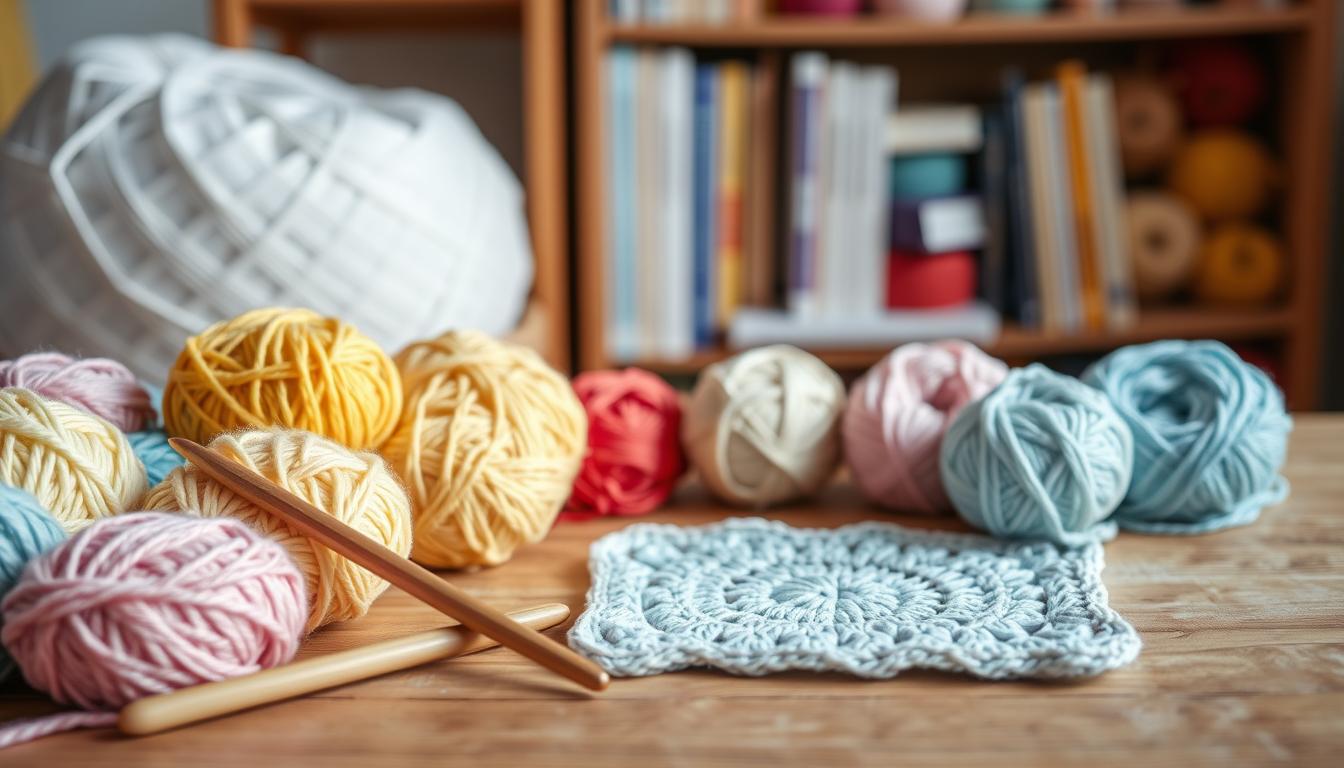
Learning to crochet is a rewarding hobby you can start anytime. The best beginner projects use basic stitches and simple shapes. These include chain, single crochet, half double crochet, and double crochet.
These stitches are worked into flat panels or easy rounds for simple patterns.
True beginner patterns avoid complex shaping, frequent color changes, and invisible decreases. Think rectangles and squares for easy projects. For example, a beanie can be made from a folded rectangle.
A market bag can come from two flat pieces. A chunky scarf is worked in rows. Single crochet patterns help teach stitch counting and edge control.
These patterns also produce useful items for everyday use.
Start with projects that keep motivation high. Dishcloths, washcloth sets, granny squares, and simple cowls are great choices.
They let you practice consistent tension and counting without strict gauge. Repetitive, “mindless” patterns can relax you during summer travel. They also help build your crocheting speed.
Use tested resources from designers and yarn brands like Scheepjes. Tutorials with clear row-by-row stitch counts are very helpful.
Follow picture or video demos for slip knots, chain stitches, and single crochet. This stops skipped stitches and uneven edges. With these easy crochet patterns, you’ll finish projects quickly. You will gain confidence to try more advanced designs.
Key Takeaways
- Begin with simple shapes and basic stitches: chain, sc, hdc, dc.
- Single crochet patterns help with stitch counting and edge control.
- Choose projects with flat pieces or easy rounds—no complex shaping.
- Use designer-tested patterns and yarn resources for reliable results.
- Repetitive beginner crochet projects boost speed and relaxation.
Why These Crochet Patterns Work for New Makers (crochet patterns beginners)
New makers need patterns that build confidence and reward quick progress. The right designs use simple shapes, clear row counts, and few materials.
This mix keeps frustration low. It makes beginner-friendly crochet fun from the first stitch.
What makes a pattern genuinely beginner-friendly
Look for patterns with a few stitches: chain, single crochet, double crochet, and sometimes half double crochet. Avoid magic rings, invisible decreases, and complex shaping.
Patterns worked flat or in easy rounds shaped as rectangles or squares reduce counting errors. This also keeps edges neat.
Forgiving gauge guidance is helpful. Many starter patterns ask you to reach a measurement instead of a set stitch count.
Clear instructions with row counts help you check your work along the way. Repetitive rows and modular repeats aid memorization and create calm, enjoyable moments.
Essential skills to practice before starting
Master a few foundation moves: slip knot, chain stitch, and single crochet. These basic skills unlock many simple projects.
Spend time learning single crochet until you can make even rows without a video. Practice stitch counting and controlling edges.
Counting every row and avoiding skipped stitches keep projects square and consistent. Learn to fasten off, weave in ends, and use simple seams like whipstitch.
These finishings turn flat panels into hats or cowls.
How to choose your first pattern based on time and goals
Match your pattern to the time you have. One-hour projects like dishcloths and washcloths are perfect for beginners.
They build confidence and teach you how to make neat rows. For a quick wearable, try two- to three-hour projects like chunky scarves, rectangle beanies, or cowls.
These give visible results and a sense of accomplishment. Weekend projects like a baby blanket or market bag offer repetitive work over several sessions.
Follow gentle skill progressions: dishcloth, scarf, hat, then bag or blanket. Let your interest guide your choice.
Pick something that excites you and fits your available time. If speed matters, choose super bulky yarns for faster results, cotton for kitchen items, and acrylic blends for wearables.
Using a hook one or two sizes larger for single crochet items can reduce stiffness and save time on larger pieces.
Easy Project Recipes and Patterns to Master Quickly
Start with a few short projects to build confidence. Pick easy crochet projects that use basic stitches. Repeat rows often. Small wins keep practice fun and push you toward bigger pieces.
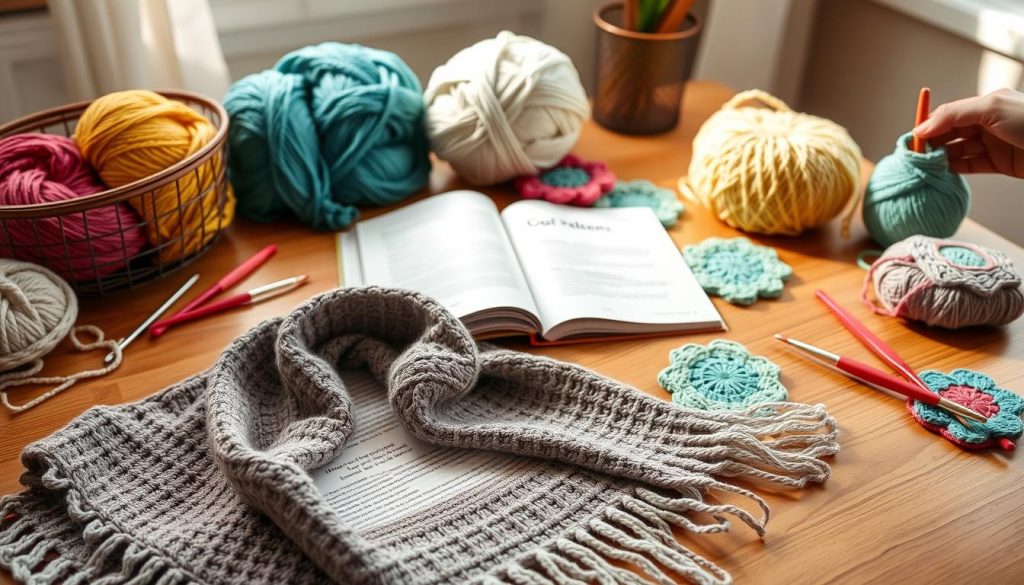
Kitchen and utility projects
Try a classic dishcloth pattern worked in single crochet. Use cotton worsted #4 with a 5.0 mm hook for durability. This combination ensures good absorbency. A simple sequence like Ch 21; Row 1: Sc in 2nd ch and across; Rows 2–20: Sc across gives a neat square in about an hour.
For a softer scrub, make a half double crochet washcloth set. Chain 24 and work hdc for about 20 rows. These knit up quickly and make practical gifts for friends and family.
Wearables that work up fast
Choose a chunky scarf pattern when you want instant gratification. Use super bulky #6 yarn such as Lion Brand Wool‑Ease Thick & Quick and a 9–10 mm hook. Chain 12–16 and sc until the scarf reaches your desired length. Fringe adds a finished look.
A simple double crochet rectangle beanie requires no shaping. Work a flat panel, for example Ch 31 with about 22 rows dc. Fold, seam, and gather the top. This keeps stitch counts low and makes a cozy hat in a single afternoon.
Home and gifting projects
Make a baby blanket in double crochet as a weekend project. Chain about 85 and work rows of dc until the blanket is roughly 36″. Bulky borders tidy edges and add weight. This does not require complex stitch patterns.
Practice a granny square for beginners to build modular skills. Start with ch 4 joined to a ring. Work classic clusters in the corners. Each square takes about 15 minutes. You can join many for a blanket or pillow.
For reusable shopping, crochet a mesh market bag in cotton worsted. Work a solid base then mesh rows using *dc, ch 1, skip 1*. This creates stretch and capacity.
Pattern pairing and yarn choices to speed progress
Pair patterns and yarn to cut project time. Use bulky (#5) or super bulky (#6) yarn for scarves, cowls, and quick gifts. Cotton worsted is best for dishcloths and market bags. It absorbs and wears well.
When single crochet makes fabric stiff, bump up the hook size by one or two. Select patterns with repetitive rows or modular pieces. Examples include granny square for beginners. This lets you focus on rhythm instead of constant counting.
For a curated plan, assemble a beginner crochet patterns list. Mix kitchen items, wearables, and home projects. This helps you practice tension, edges, and joining while creating useful finished pieces.
Conclusion
This beginner crochet recap ties the article together with clear next steps. Start with a simple dishcloth or a single‑stitch practice piece to master the chain and single crochet.
Using resources from Limitless Crochet and CrochetInsider for basic video and photo guides helps avoid edge problems and speeds early progress.
Once you feel steady, move to a chunky scarf or a rectangle beanie to build confidence quickly. Choose patterns that work flat and use only basic stitches.
Look for patterns that list stitch counts. For weekend projects, try a baby blanket or market bag. These help you practice double crochet and mesh skills.
While working on those, practice finishing techniques too.
Select super bulky or bulky yarns to make projects grow faster. Pick fibers suited to the item—cotton for kitchen pieces and bags, acrylic or blends for wearables.
Embrace repetitive and relaxing projects. Use free designer patterns and yarn brand resources for tested instructions and inspiration.
Follow this simple progression: dishcloth → scarf → hat → bag or blanket. Lean on tutorials and community help when needed.
This practical plan keeps motivation high. It makes it easy to start crocheting today, turning small wins into the confidence to try advanced crochet patterns.
FAQ
What stitches should I learn first to start making beginner crochet patterns?
Start with the slip knot, chain stitch (ch), and single crochet (sc). These basics let you make many simple projects.
After you’re comfortable with sc, add half double crochet (hdc) and double crochet (dc). This expands your pattern options.
Use photo or video tutorials and practice stitch counting to keep your edges straight.
How do I know a pattern is truly beginner‑friendly?
A genuine beginner pattern uses only basic stitches like ch, sc, dc, sometimes hdc. It works flat or in simple rounds.
It avoids advanced techniques like magic rings, invisible decreases, frequent color changes, or complex shaping. It accepts loose or no strict gauge.
The pattern includes clear row‑by‑row stitch counts so you can check your work as you go.
What are good first projects that build confidence quickly?
One‑hour wins include dishcloths and washcloths. Wearable quick wins take 2–3 hours, like chunky scarves, rectangle beanies, and cowls.
Weekend projects are baby blankets and market bags. They are repetitive and easy to achieve.
Follow this order: dishcloth, scarf, hat, then bag or blanket.
Which yarns and hooks speed up progress for beginners?
Super bulky (#6) and bulky (#5) yarns work fast and forgive tension mistakes. Cotton worsted (#4) suits kitchen items and market bags.
For wearables and blankets, acrylic or blended worsted yarns work well. Use larger hooks with single crochet to avoid stiff fabric.
Can absolute beginners make hats and gloves without shaping or decreases?
Yes. Simple hats and fingerless gloves can be made from rectangles seamed together.
For a beanie, work a flat rectangle of dc rows, fold it, whipstitch the side, and gather the top with running stitch.
For fingerless gloves, make a rectangle and leave a small thumb gap when seaming.
Do beginner patterns require strict gauge swatches?
Most beginner patterns accept loose gauge or use instructions like “make it X inches wide.” This helps reduce frustration.
Gauge matters more for fitted garments. For dishcloths, scarves, cowls, and blankets, you can use measurements instead of strict stitch counts.
How can I avoid skipping the last stitch and keep straight edges?
Count your stitches at the end of each row. Use clear stitch counts from beginner patterns.
Learn to identify the last stitch by practicing turning chains and placing the hook correctly.
Slow down and check counts every few rows to avoid mistakes and keep edges straight.
What are the easiest stitch patterns for relaxing, “mindless” crochet?
Repetitive rows of single crochet or double crochet, simple stripes, and granny squares are ideal.
Variegated or gradient yarns like Scheepjes Whirl add interest without complex colorwork.
These projects work well for travel or low-focus crafting.
Which kitchen and utility projects should I try first?
Classic dishcloths and washcloths are perfect first projects.
A basic dishcloth pattern: Ch 21; Row 1: Sc in 2nd ch from hook and across (20 sc); Rows 2–20: Sc across, ch 1, turn.
Cotton worsted yarn and a 5.0 mm (H‑8) hook work well and soften with washing.
How long do beginner projects typically take?
Small items like dishcloths or washcloths take about an hour. Chunky scarves and simple cowls often finish in about two hours.
Rectangle beanies and fingerless gloves typically take 2–3 hours. Weekend projects such as baby blankets or market bags take several sessions.
Where can I find beginner‑friendly patterns and reliable tutorials?
Use tested free patterns from designer blogs, yarn company websites, and communities like Ravelry.
Brands like Scheepjes publish easy patterns and color examples. Picture and video tutorials help when learning sc and stitch counting.
What finishing skills should I learn early on?
Learn how to fasten off, weave in ends neatly, and do simple seams like whipstitch or running stitch.
Practice folding and seaming rectangles for hats and cowls.
Clean finishing makes simple projects look polished and boosts your confidence.
How can I practice single crochet while staying motivated?
Use single crochet on useful small projects like dishcloths and small scarves.
Set short goals, watch tutorial videos, and use super bulky yarn or larger hooks for quick progress.