
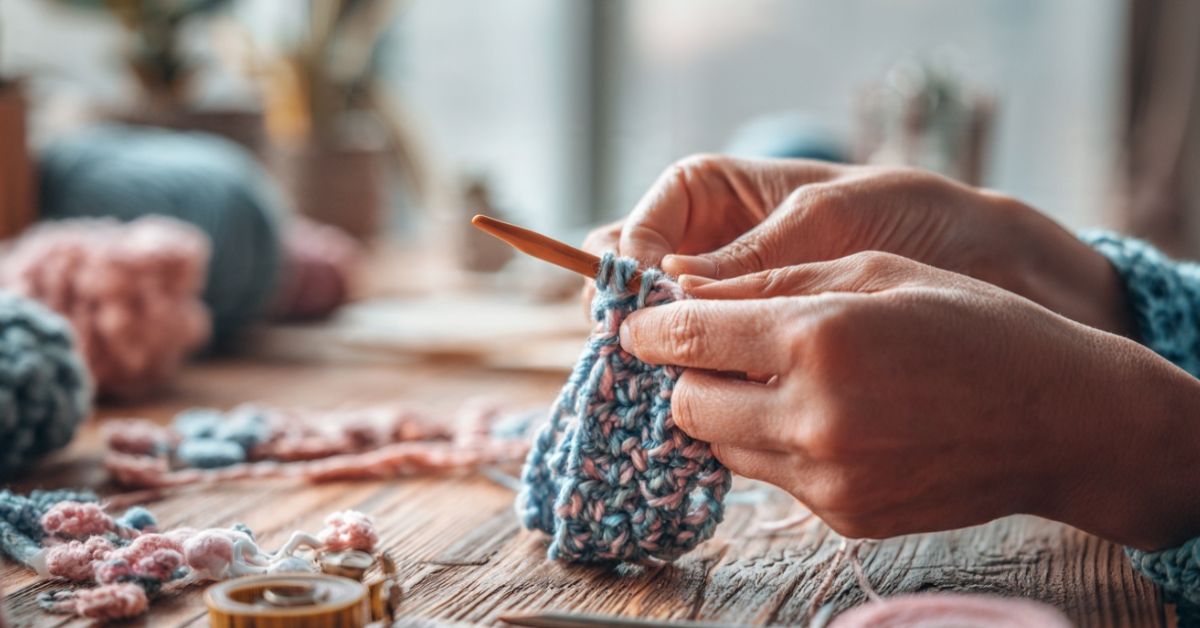
There is something truly magical about picking up a crochet hook and a skein of soft yarn. Whether you are finding a quiet moment of peace after a busy day or creating a handmade gift for someone special, crochet is a beautiful way to slow down and create something lasting. If you have ever felt frustrated because your edges weren’t straight, your stitches looked a bit lopsided, or your fabric felt a little too stiff, please know that you are not alone. Every crocheter, from the absolute beginner to the seasoned expert, has battled with tension at some point.
The secret to a polished, professional-looking piece isn’t just about practice; it is about learning a few “smart hacks” that change how you hold your yarn and how you move your hook. In this guide, we are going to dive into the core techniques that will help you achieve perfectly even tension, neat, uniform stitches, and a finished product that you will be proud to display in your home or gift to a loved one. We will walk through everything together, step-by-step, starting with a cozy, beginner-friendly project that acts as the perfect canvas for practicing these new skills.
Quick Project Overview
To put these tension-taming tips into practice, we are going to make the “Everyday Keepsake Mini Basket.” This small, sturdy basket is designed for home decor, perfect for holding succulents, jewelry, or desktop supplies.
- Skill Level: Beginner-friendly.
- Estimated Time: 1–2 hours.
- Finished Size: Approximately 5 inches in diameter and 4 inches tall.
- Best Use: Home organization, desk storage, or a thoughtful handmade DIY gift.
- Why You’ll Love It: This project works up quickly, uses minimal yarn, and allows you to clearly see how every single crochet stitch behaves as you work in the round.
Materials Needed
- Yarn: Approximately 100 yards of medium (worsted) weight cotton yarn. Cotton is firmer than acrylic, which helps your stitches hold their shape beautifully.
- Crochet Hook: Size H/8 (5.0 mm).
- Extras: A yarn needle for weaving in ends, a pair of scissors, and optional stitch markers to help keep track of your rounds.
Stitches and Abbreviations
- Ch (Chain): A basic foundational loop.
- Sc (Single Crochet): The most common stitch, perfect for dense fabric. Insert hook, yarn over, pull up a loop, yarn over, pull through both loops.
- Sl St (Slip Stitch): Used to join rounds or move across fabric without adding height.
- Inc (Increase): Work two single crochet stitches into the same stitch to expand your circle.
- St(s) (Stitch/Stitches): The loops or spaces you work into.
Pattern Notes Before You Start
Tension is the most important factor in this project. When working with cotton yarn, try to maintain a consistent pull on your working yarn. If you notice your stitches are getting looser as you go, pause and take a breath—tension is often affected by how tired or stressed our hands feel!
For this basket, we will be working in a “spiral” style for the sides, which means we won’t join with a slip stitch at the end of every round. This eliminates that unsightly “seam” line and creates a much neater finish. If you find it hard to keep track of your first stitch, use a stitch marker.
Full Crochet Pattern
Part 1: The Base
We will start by creating a flat circular base.
- Round 1: Create a magic ring (or chain 4 and sl st to the first chain to form a ring). Work 8 sc into the ring. (8 stitches)
- Round 2: 2 sc into each st around. (16 stitches)
- Round 3: 1 sc in next st, 2 sc in next st around. (24 stitches)
- Round 4: 1 sc in next 2 sts, 2 sc in next st around. (32 stitches)
- Round 5: 1 sc in next 3 sts, 2 sc in next st around. (40 stitches)
- Note: Your circle should lay flat. If it begins to curl, your tension might be too tight. If it ruffles, it’s too loose.
Part 2: The Sides
Now we transition from the flat base to the vertical walls of the basket.
- Round 6: Working only in the “back loop only” (BLO) of every stitch from the previous round, work 1 sc in each st around. (40 stitches)
- Rounds 7–12: Work 1 sc in both loops of every stitch around. Do not join; simply continue in a spiral.
- Round 13: Slip stitch into the next 5 stitches to create a smooth, gradual transition finish, then fasten off.
Finishing
Cut your yarn, leaving a 6-inch tail. Use your yarn needle to weave the tail through the back of your stitches securely. Trim the excess.
Step-by-Step Tutorial Explanation
When you begin the base, the most common hurdle is the magic ring. If it feels too fiddly, you can substitute a chain-4 loop, but the magic ring provides a tighter, cleaner center. As you work the “increases,” pay close attention to the stitch count. A neat basket relies on the math!
The most exciting part of this project is Round 6. By working in the “back loop only,” you create a natural “hinge” that allows the fabric to turn upward. You will see your basket transform from a flat circle into a three-dimensional container almost instantly. This is a great moment to pause and check your tension—ensure those side stitches look as uniform as the base stitches.
Common Mistakes to Avoid
- The Twisted Foundation: If you use a chain-based start, ensure it isn’t twisted before you join. A twist here will run through your entire project.
- Invisible “Added” Stitches: Beginners often accidentally add stitches by working into the slip-stitch join from the previous round. Always count your stitches at the end of each round to stay on track.
- The “Death Grip” on the Hook: If your hands hurt, you are holding the hook too tightly. You should hold the hook like a pencil or a dinner knife—firm but relaxed.
- Uneven Yarn Tension: If you find some stitches look wider than others, try wrapping the yarn around a different finger to create a more consistent drag.
Pro Tips for a More Beautiful Result
To achieve that truly polished “store-bought but better” look, consider these professional habits:
- Uniform Yarn Management: How you hold your yarn is your personal style, but the key is consistency. Whether you wrap it around your index finger or weave it through your pinky, keep that tension steady.
- Hook Size Selection: If the pattern suggests a 5mm hook but your stitches look gappy, don’t be afraid to drop down to a 4.5mm. The hook size recommendation is just a starting point; your personal tension is the final judge.
- Blocking: Even small items like this basket can benefit from a light misting of water and being shaped while damp. It “sets” the stitches and makes them look perfectly even.
- Weaving Ends: Never just knot your yarn and cut it. Weave your tail through at least three different directions within the work to ensure it never unravels, even after the item is washed or used.
Variations and Personalization Ideas
- Color Blocking: Start with a neutral color for the base and switch to a vibrant shade for the last four rounds to create a dipped-dye look.
- Texture Depth: You can alternate between single crochet and half double crochet for the sides to create a unique, ribbed, or bumpy texture.
- Gift Embellishment: Add a small twine bow or a wooden button to the side of the basket to elevate it from a simple utility piece to a charming gift box.
- Seasonal Styling: Use reds and greens for a Christmas candy dish, or soft pastels for an Easter egg holder.
Care Instructions
Since this project uses cotton, it is durable and easy to maintain. If it gets dusty, simply spot-clean it with a damp cloth and a mild soap. If it becomes misshapen, you can re-wet the basket, push a jar or bowl of the correct size inside to serve as a mold, and let it air dry completely. This will restore its original, crisp shape. Avoid using a hot dryer, as this can shrink natural fibers and distort your hard work.
FAQ
How do I stop my circle from ruffling?
If your circle looks like a ruffled potato chip, you have too many stitches. This means you are increasing too frequently. Check your count, and if it continues, try working the next round without any increases to “tighten” the edge.
How do I stop my circle from turning into a bowl too soon?
This happens if you aren’t increasing enough. If your base is curling upward, you need more stitches in those initial rounds to help the fabric lay flat.
Can I use acrylic yarn instead of cotton?
Yes! Acrylic is softer and lighter. Just note that it is more “stretchy” than cotton, so your basket might be a bit floppier. If you choose acrylic, you might want to use a hook one size smaller to make your stitches tighter and more rigid.
Why do my edges look jagged when I turn work?
If you are working rows, this is often because of how you start the first stitch of the row. Try using a “chainless starting stitch” or being careful to count your turning chains properly so you don’t accidentally skip the first stitch.
How do I know if my tension is “correct”?
There is no single “correct” tension, provided it is consistent. The most important thing is that the fabric isn’t so loose that things fall through the holes, and not so tight that you can’t push your hook through the next stitch. Aim for “firm but fluid.”
Conclusion
Mastering crochet is a journey, and every stitch you work is a step toward greater confidence and skill. This basket is more than just a piece of home decor; it is a way to prove to yourself that you can control your tension, count your stitches accurately, and finish a project with a flourish. As you get more comfortable, you will find that these “hacks”—like working in the back loop or using a smaller hook for structure—become second nature.
Remember, the goal of crochet is enjoyment. If you make a mistake, it’s just yarn—you can always pull it out and start again. Take your time, enjoy the rhythmic movement of the hook, and be proud of what your hands have created. When you finish your basket, place it somewhere you will see it every day, and let it serve as a reminder of your creative potential. We hope this tutorial helps you feel more confident in your crochet practice; keep experimenting, keep creating, and most of all, keep stitching.