
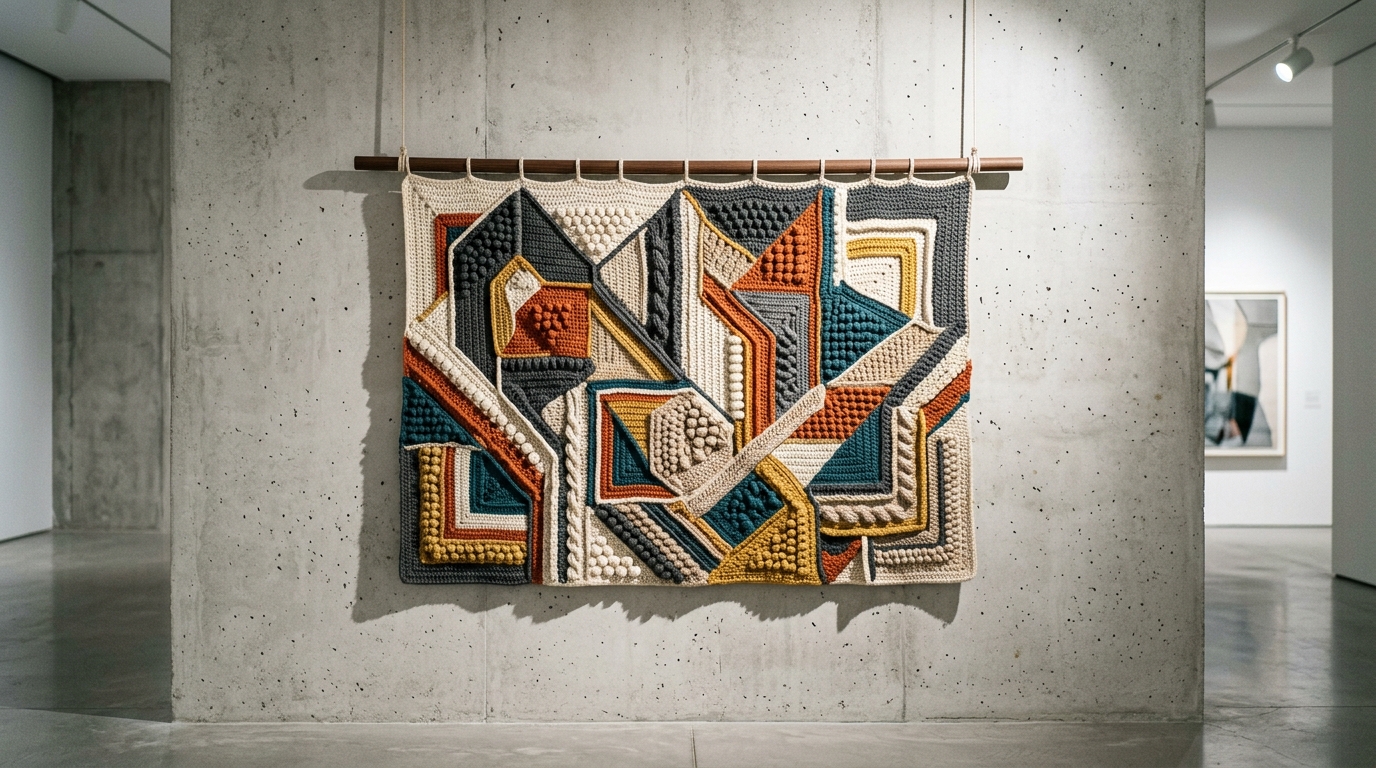
Exploring the Art of Modern Crochet
There is something uniquely magical about taking a single strand of yarn and, with nothing more than a rhythmic motion of the hands and a hook, transforming it into a piece of modern art. Whether you are a curious beginner picking up your first skein or an intermediate crafter looking to break away from traditional structures, crochet is undergoing a beautiful renaissance. Gone are the days when crochet was reserved solely for doilies or simple granny squares; today, it is a creative medium for creating sculptural decor, wearable art, and personalized accessories that reflect a modern, refined aesthetic.
This journey into innovative crochet design is about more than just following rows; it is about understanding how texture, drape, and geometry come together to build something truly special. If you have ever felt intimidated by complex patterns or worried that your stitches aren’t “perfect” enough, I want to reassure you: the beauty of handmade work lies in its organic, human touch. This guide is designed to help you rethink your approach to the craft, turning simple techniques into elevated, intentional pieces that will bring warmth and character into your home and your wardrobe.
Quick Overview
In this guide, we are focusing on how to elevate your crochet practice through innovative construction and design concepts. You will learn:
- How to use unconventional fibers to alter the “drape” of your projects.
- The importance of stitch placement for creating structural, art-like shapes.
- How to transition from basic repetitive patterns to “modular” design thinking.
- Tips for refining your aesthetic to ensure a polished, professional look.
This guide is for anyone who loves the cozy, tactile nature of crochet but feels ready to move beyond the basics. We won’t be following a standardized pattern here; instead, we are exploring the foundational concepts that allow you to design your own modern art pieces from scratch.
Essential Tools and Mindset
The beauty of modern crochet is that it doesn’t require an expensive studio or high-end equipment. However, the tools you choose will dictate the “vibe” of your finished work.
- Hook Material Matters: Smooth, polished wood hooks offer a gentle grip that is perfect for delicate natural fibers like linen or hemp, while ergonomic soft-grip aluminum hooks are life-savers for long sessions involving heavier weight yarns.
- The Power of Texture: To move toward “modern art,” look beyond standard acrylic. Think about blending textures—perhaps a rustic, matte wool held together with a strand of shimmering silk or mohair. This adds depth that makes a simple piece look like a gallery find.
- A “Journaling” Mindset: Start a small notebook specifically for your crochet ideas. Sketching out simple shapes—circles, triangles, or asymmetrical rectangles—before you start stitching is a habit that separates hobbyists from designers.
Fundamental Concepts for Modern Design
To create pieces that feel fresh and contemporary, you need to understand how basic U.S. crochet stitches can be manipulated to change the very nature of your fabric.
Mastering Stitch Density and Drape
Most beginners focus on the “what” (which stitch to use), but intermediates focus on the “how” (how that stitch interacts with weight). If you want a modern, airy look, try using a hook two sizes larger than what the yarn label recommends. This looseness allows the fabric to behave more like a woven textile than a dense knot. Conversely, if you are making a sculptural home decor piece, use a smaller hook to create a stiff, tight fabric that can stand on its own without needing a support frame.
Geometry and Modular Construction
Modern crochet often leans into minimalism. Instead of long, repetitive rows, think about joining simple shapes. A series of large, monochromatic hexagons sewn together with an invisible seam can look incredibly high-end. Focus on clean lines and restrained color palettes—think soft grays, creams, or deep, moody earth tones—rather than bright, primary colors.
Breaking Down the Creative Process
To transform your work into something you would be proud to display, follow these stages of development.
Step 1: Choosing Your Fiber
Stop looking at the price tag and start looking at the “hand” of the yarn—how it feels when crushed in your palm. For modern, art-forward projects, natural fibers like cotton, bamboo, or wool blends provide a much more professional finish than synthetic acrylics.
Step 2: The Swatch as a Concept Piece
Never skip the swatch, but don’t treat it like a chore. Treat it as a “texture test.” Crochet a 4-inch by 4-inch square and change the stitch pattern every few rows: start with single crochet, move to half double crochet, and finish with a double crochet. Wash and block it to see how the fabric performs. This tells you exactly what kind of project that specific yarn is meant to be.
Step 3: Minimalist Finishing
Modern art hates clutter. If your project has a lot of ends to weave in, do it as you go. Use an invisible join technique (like a standing slip stitch) to start new rounds rather than knotting, which creates an unnecessary bulk. Finishing is 50% of the art; if the edges are messy or the ends are poking out, it will never look “modern.”
Common Mistakes to Avoid
Even experienced crocheters can fall into traps that undermine the “mod” aesthetic.
- The “Tight Edge” Dilemma: Beginners often have a tighter tension on their turning chains. This leads to a scalloped, puckered edge. Practice making your chains slightly looser than your stitches to keep the edges straight.
- Ignoring the “Halo”: When using textured yarns (like mohair or fuzzy blends), avoid complex stitch patterns. The texture of the yarn will hide the complexity of the stitch, resulting in a muddy, undefined look. Let the fiber do the work in these cases.
- Over-complicating Color: If you are experimenting with new, complex shapes or textures, stick to a monochromatic color palette. Introducing too many colors will distract the eye from the structural beauty of the piece.
Pro Tips for a Polished Result
To elevate your crochet from “crafty” to “refined,” incorporate these professional-level habits into your routine.
- Wet Blocking is Essential: There is no substitute for blocking. Once your piece is finished, soak it in lukewarm water, gently squeeze out the moisture in a towel, and pin it into the exact shape you want while it dries. This process literally “sets” the stitches and makes your work look like it came from a professional design studio.
- Stitch Count Discipline: Use stitch markers at the beginning and end of every row. Even a tiny mistake in the middle of a piece can throw off the geometry, which becomes painfully obvious in minimalist designs where there is nowhere for the eye to hide.
- Seaming Strategy: Avoid using the yarn tail to sew sides together if it creates a thick, visible ridge. Use a mattress stitch or a slip-stitch seam in a contrasting or complementary color to turn the join into a decorative design element.
Personalization and Creative Variations
The best part of this creative approach is that it is yours. You are the architect of your own work.
- Seasonal Shifts: In the summer, use mercerized cotton for a crisp, cool touch. In the winter, move toward chunky merino for pieces that feel heavy and substantial.
- The “Home Decor” Twist: Consider creating a large-scale, heavy wall hanging by using a large hook and two strands of thick yarn. You can incorporate “negative space” by deliberately skipping stitches or leaving gaps in your work, which is a hallmark of modern textile art.
- Embellishment: If you feel a piece is too plain, resist the urge to add ruffles or flowers. Instead, add a single, high-quality wooden bead or a piece of leather cord as a strap or closure. Modernism appreciates restraint.
Care and Long-Term Value
Because you are putting so much intention into these pieces, they need to be treated with care so they last a lifetime.
- Maintenance: Always hand wash your pieces in a gentle pH-neutral wool wash. Never hang a heavy crochet item on a hanger, as it will stretch out of shape; always store draped flat or folded in a drawer.
- Storage: If you notice your piece gathering lint, use a soft fabric shaver or a sweater comb. These small touches keep your handmade items looking fresh for years.
- Next Steps: Once you have mastered the feeling of creating your own designs, look into “modular” crochet books or online resources that focus on geometric construction. Practice making a series of squares, triangles, and circles and stitching them together to create a cohesive whole.
Frequently Asked Questions
How do I make my crochet look less “homemade”?
The biggest factor is blocking. Wet blocking your finished piece gives it a professional drape and uniform stitch alignment that transforms the item entirely. Also, choosing high-quality natural fibers rather than standard acrylics makes an immediate difference in the final look.
Why does my fabric look “holey” in some spots and tight in others?
This is caused by tension inconsistency. If you are stressed or tired, your tension will change. It is helpful to take breaks and check your gauge throughout the project. Using an ergonomic hook that fits your hand size can also help keep your tension steady.
How can I make my own patterns without a guide?
Start small. Don’t try to design a sweater first. Start by designing a simple pillow cover. Determine the dimensions, decide on a stitch pattern, and write down how many stitches you need for your gauge. Testing your math on a smaller scale is the best way to learn how to design.
What is the “negative space” trend in crochet?
Negative space refers to the intentional inclusion of holes or gaps in a pattern. Instead of aiming for a solid, dense fabric, you strategically skip stitches or use a very large hook to let the air pass through the finished item, which creates a very high-fashion, airy aesthetic.
Can I mix different types of yarn in one project?
Yes, but you must be careful about fiber content. Ensure the yarns have similar wash instructions (for example, don’t mix a superwash wool with a hand-wash-only option). Also, check that the weights are compatible so the fabric doesn’t pucker or pull in places where you have changed yarns.
Conclusion
Stepping into the world of creative, modern crochet is one of the most rewarding things you can do for your soul and your home. By shifting your perspective—viewing every loop as a design decision and every row as an opportunity for structure—you stop just following instructions and start creating art.
Whether you are crafting a simple wall hanging, a sculptural cushion, or a minimalist accessory, remember that your hands are capable of producing something beautiful and unique. Don’t be afraid to pull out your work and start over if a design isn’t working; the process is just as valuable as the finished product. Keep your hooks busy, your yarn stash inspiring, and most importantly, enjoy the gentle, rhythmic peace that only crochet can provide. Your journey into modern fiber art is just beginning, and I cannot wait to see what you create.