
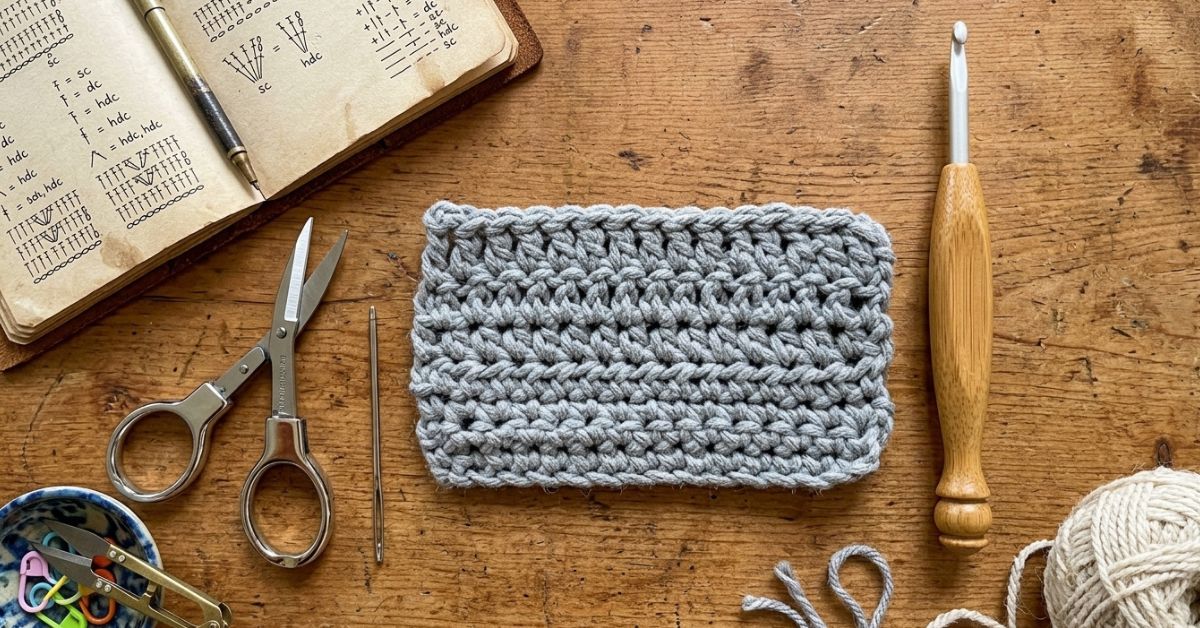
If you’re wondering how to learn to crochet from scratch, the good news is that you don’t need talent—just the right method. Crochet is one of the easiest creative skills to start at home, even if you’ve never held a hook before.
This guide breaks everything down into a clear, beginner-friendly system so you can start creating real crochet pieces within your first practice session.
You Can Start Crocheting Today (No Experience Needed)
To answer the question directly: you learn to crochet by mastering a few basic movements—holding the hook, making a slip knot, and repeating simple stitches.
Once you understand these foundations, everything else becomes repetition and practice.
Even beginners who feel “not creative” often manage their first small crochet piece in under an hour when following a structured guide like the one in this tutorial:
What You Need Before You Start
You don’t need expensive tools. Crochet is minimalistic and beginner-friendly.
Materials required:
- A crochet hook (medium size recommended, like 4mm–5mm)
- Soft yarn (light colors are easier for beginners)
- Scissors
- A quiet space to practice
- Optional: stitch markers
That’s it. No machines. No complex setup. Just your hands and a bit of patience.
Step 1: Learn How to Hold the Hook and Yarn
The first skill in learning crochet is comfort.
There are two common ways to hold the hook:
- Pencil grip (like holding a pen)
- Knife grip (like holding a butter knife)
At the same time, you must control the yarn tension with your other hand. This is what makes stitches even and consistent.
Don’t worry if it feels awkward at first—this is normal.
Step 2: Master the Slip Knot
The slip knot is your starting point.
This is how every crochet project begins:
- Loop the yarn
- Pull one strand through
- Tighten gently onto the hook
Once you can do this smoothly, you’ve already completed your first crochet skill.
Step 3: Learn the Chain Stitch (The Foundation of Everything)
The chain stitch is the backbone of crochet.
It creates the base row for almost every project.
You simply:
- Wrap yarn over the hook
- Pull it through the loop
- Repeat in a rhythm
At first, your chain may look uneven. That’s completely normal. Consistency comes with repetition.
Step 4: First Real Stitch – Single Crochet
Now you’re moving into actual fabric creation.
The single crochet stitch is the most important beginner stitch because:
- It builds structure
- It’s easy to repeat
- It appears in almost every pattern
You insert the hook, pull yarn through, and repeat.
This is where crochet starts to feel “real.”
Step 5: Practice Without Pressure
Most beginners fail not because crochet is hard—but because they expect perfection too early.
Instead:
- Practice short sessions (10–20 minutes)
- Focus on repetition, not results
- Accept uneven stitches at first
Crochet is muscle memory, not theory.
Step 6: Follow a Beginner Video Tutorial
Visual learning is extremely powerful for crochet.
This YouTube tutorial helps you see every movement clearly:
https://www.youtube.com/watch?v=zzWX2dx8ufc
Watching while practicing speeds up learning dramatically because you can match hand movements in real time.
Step 7: Build Your First Mini Project
Once you can chain and do single crochet, start a tiny project like:
- A small square
- A coaster
- A beginner swatch
This helps you understand structure, tension, and consistency.
Even a small square is a real achievement in crochet.
Why People Struggle (and How to Avoid It)
Most beginners face the same problems:
- Tight stitches that are hard to work into
- Losing count of chains
- Uneven tension
- Confusion when reading patterns
The solution is simple: slow down and repeat basics longer than you think you need.
Crochet rewards patience more than speed.
The Learning Curve (What to Expect)
Here’s what usually happens:
- Day 1: Confusion, uneven stitches
- Day 2–3: Better control of yarn tension
- Week 1: Basic stitches become natural
- Week 2+: First simple projects completed
Progress is fast once your hands adapt.
Why Crochet Is Trending Right Now
Crochet has become a major creative lifestyle trend because:
- It reduces stress
- It’s affordable
- It produces visible results quickly
- It fits perfectly with DIY culture
Many beginners discover it through short-form videos and YouTube tutorials, then continue learning through structured guides.
Advanced Path After Basics
Once you master basics, you can move into:
- Double crochet
- Pattern reading
- Color changes
- Amigurumi (crochet toys)
- Clothing projects
But none of that matters until the basics feel natural.
Final Advice for Beginners
If you want to truly learn crochet, don’t rush.
Focus on:
- Repetition over perfection
- Short daily practice
- Watching real demonstrations
- Keeping your first projects simple
Within days, crochet will stop feeling confusing and start feeling creative.