
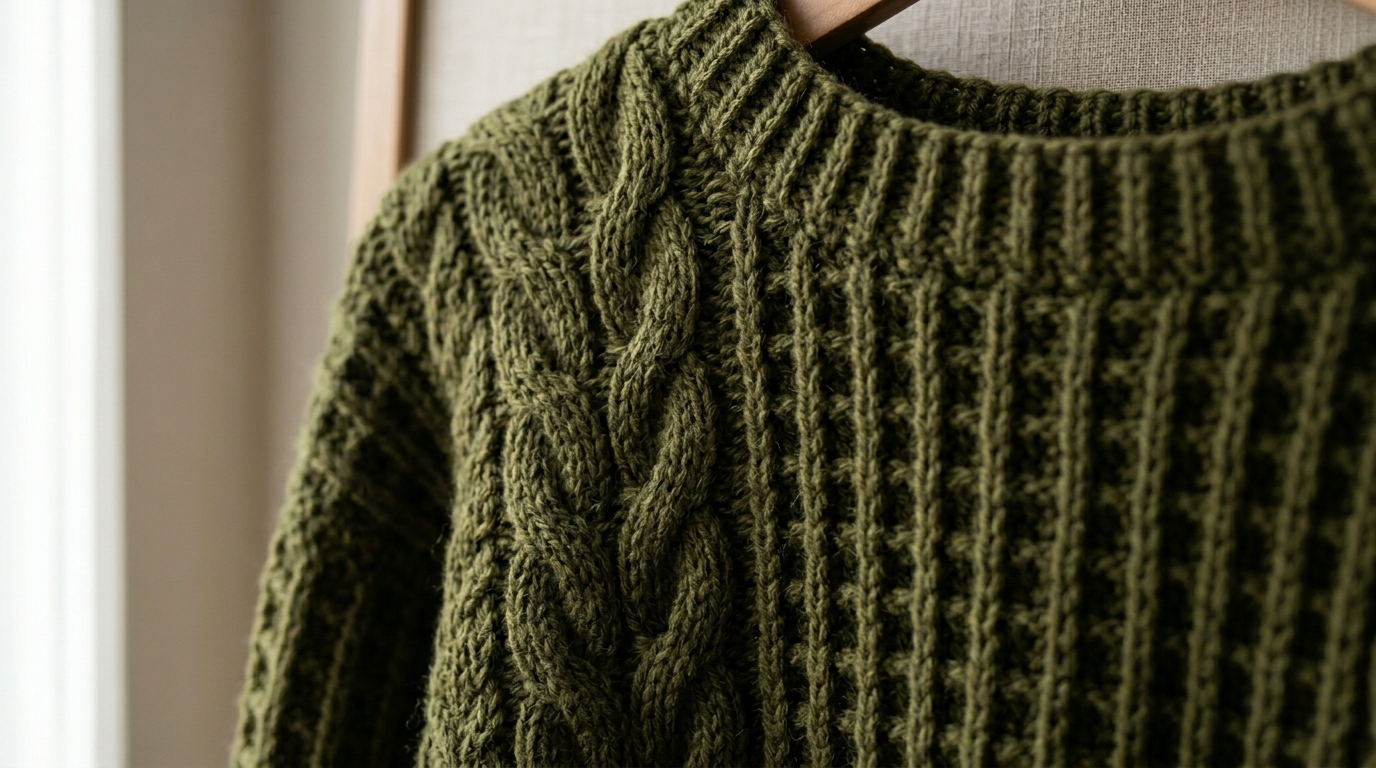
There is something truly magical about picking up a crochet hook and a skein of yarn to create a garment that fits your body and reflects your personal style. While many of us start with simple scarves or cozy blankets, there comes a point in every crocheter’s journey where we begin to crave more. We want our handmade clothing to look less like a craft project and more like a high-end boutique piece. The secret to this transition lies in mastering advanced stitches and thoughtful texture combinations.
When you move beyond the standard single or double crochet, you unlock a world of drape, structure, and professional-looking finishes. Whether you are aiming for the lightweight, airy lace of a summer top or the dense, warm cables of a winter cardigan, understanding how to pair stitches together will elevate your work. This guide is designed to bridge the gap between basic construction and garment-making excellence, ensuring you feel empowered to tackle those intricate patterns with confidence and grace.
Quick Overview
In this guide, we will explore the techniques that separate casual crochet from finished garment design. You will learn how to approach stitch texture, understand how specific combinations affect the drape of your fabric, and gain practical knowledge on achieving professional results. This information is intended for the ambitious beginner looking to expand their skill set and the intermediate maker who wants to refine their craft. By the end of this article, you will feel more comfortable choosing yarns for specific textures, adjusting patterns for a custom fit, and executing complex stitch work with the quiet satisfaction of a true artisan.
The Foundation of Advanced Texture
Before diving into complex designs, it is important to understand the concept of “stitch architecture.” In garment design, the way a stitch is formed determines how the fabric moves. A cluster stitch, for example, creates a puffier, more structured fabric than a standard double crochet, which significantly impacts the weight and warmth of a sweater or top.
Understanding Stitch Height and Width
Every stitch has a relationship with its neighbor. When you mix stitches—such as alternating rows of moss stitch with sections of post stitches—you are creating architectural interest. Beginners often forget that changing your hook size while maintaining the same stitch can also be a form of texture, creating a tighter or looser feel that can shape a garment’s silhouette.
The Role of Post Stitches
Front post and back post stitches are the bread and butter of tactile, professional crochet. By working around the body of the stitch below rather than into the loops, you create depth. This is how you achieve ribbing that looks like knitting or cable work that feels substantial and luxe. Learning to navigate these stitches will instantly make your garments look more polished and intentional.
Essential Concepts for Garment Success
Creating a garment is very different from creating a flat rectangle. You are working with three-dimensional space, curves, and drape. To move forward, you must master a few core concepts that apply to almost every advanced pattern you will encounter.
The Importance of Tension Consistency
When working with complex stitch patterns, your tension must remain steady. If your tension changes in the middle of a delicate row of, for instance, a jasmine stitch or a complex shell pattern, the change will be visible in the final garment. Practice your new stitches in small swatches before starting the actual project to get into a steady rhythm.
Mastering Gauge for Fit
In the world of clothing, gauge is not just a suggestion—it is the blueprint. When you are using advanced textured stitches, the yarn often behaves differently than it would in simple rows. Always block your gauge swatch exactly how you intend to block your finished garment. If you don’t account for how your textured stitches grow or shrink during the blocking process, your finished sweater might end up two sizes too big or delightfully small.
Planning Your Textured Garment
When you are ready to start a project that features complex stitch combinations, take a moment to plan. The most successful garments are those where the yarn choice marries perfectly with the stitch texture.
Choosing the Right Yarn
If you are planning to use a cable-heavy stitch or a dense textured pattern, choose a smooth, plied yarn. These yarns show off stitch definition beautifully. Conversely, if your pattern features lace-like, airy stitches, a slightly fuzzy or haloed yarn might add a romantic, ethereal feel. Always consider the “drape.” A heavy wool might hang differently than a light cotton blend, even with the same stitch counts.
The Power of Stitch Markers
When working with advanced charts or complex row repeats, do not rely on your memory alone. Use stitch markers to identify your repeats, the beginning of your rounds, or the placement of your cables. Moving your markers as you go keeps your mind free to focus on the beauty of the stitches rather than the stress of counting.
Step-by-Step Guide to Developing Complexity
To help you gain confidence, follow these steps to integrate new techniques into your practice.
Step 1: Learn One Texture at a Time
Don’t try to learn a complex cable, a popcorn stitch, and a lace section all in one week. Master front and back post stitches first. Once those are second nature, try combining them into a simple ribbing or a textured border.
Step 2: Sample Your Stitches
Create a “sampler” piece. A long, thin rectangle where you crochet a few inches of one texture, then transition into another, helps you see how the stitches look next to each other. This is invaluable when designing or customizing a garment.
Step 3: Read Your Stitches
As you crochet, look at the fabric. Can you see where the yarn loops are? Can you identify the “legs” of the stitch? Being able to “read” your crochet allows you to catch mistakes before they become structural issues.
Common Mistakes to Avoid
Even experienced crocheters run into trouble when working with complex stitches. Keeping these common pitfalls in mind will save you hours of “frogging” (ripping out your work).
Neglecting the Turning Chain
In advanced patterns, the turning chain is often counted as a stitch, or it is specifically ignored. If you miscount your stitches because you are unsure of how your pattern treats the turning chains, your edges will become jagged or your piece will inadvertently increase in size. Always check your pattern notes before you begin.
Overlooking Blocking
Advanced textures often look messy or “bunched up” until they are blocked. Many crocheters conclude they have ruined a project because it looks uneven on the hook, only to be amazed at how it levels out after a light steam or wash. Never judge your final result until it has been properly blocked.
Incorrect Foundation Chains
A base chain that is too tight is the enemy of a beautiful garment. It will cause the bottom of your shirt or cuffs of a sweater to pucker. Try using a “foundation stitch” technique (such as foundation double crochet) to give your garment a stretchy, professional-looking start.
Pro Tips for Polished Results
To ensure your handmade garments look like they belong in a boutique, focus on the details.
- Mind the Seams: If your garment is constructed in panels, use a mattress stitch for your seams. It is nearly invisible and keeps your work looking fluid.
- Weave Early, Weave Often: Don’t wait until the very end to weave in your ends. If you have a large garment, weave in ends as you finish each panel. It makes the final assembly feel like a reward rather than a chore.
- Customize the Fit: Because crochet is highly modular, you can adjust the length of sleeves or the depth of a neckline easily. Don’t be afraid to try on your piece as you go.
Variations and Personalization
The beauty of crochet is that it is a dialogue between the maker and the pattern. Once you understand texture combinations, you can swap them out. If a pattern calls for rows of single crochet, consider replacing every third row with a row of half-double crochet in the back loop only to add subtle, elegant ridges. If you find a sweater pattern that is too simple, add a textured cable panel down the sleeves or along the sides to create a custom, high-end look.
Care and Next Steps
The better you care for your handmade garments, the longer they will serve you. Always check your yarn labels for washing instructions. For most wool or delicate blends, hand washing in cool water with a gentle, wool-safe detergent is best. Lay your garment flat on a towel to dry, shaping it gently while it is damp to ensure it retains the dimensions you worked so hard to achieve.
Your next step should be to look for a pattern that uses one of the new techniques you’ve learned today. Start small—perhaps a sweater with a simple cable detail on the shoulders—and build up your courage.
Frequently Asked Questions
How do I stop my edges from becoming uneven when working advanced stitches?
This usually happens because of missed stitches at the start or end of a row. Always count your stitches at the end of every row for the first few repeats until you feel comfortable with the pattern. Using a stitch marker in the first and last stitch can also help you identify where to place your hook.
Does the type of hook I use change the texture of my garment?
Yes, absolutely. A wooden or bamboo hook provides more grip, which is helpful if you are using slippery yarn or complex lace stitches. A metal hook is smoother and faster, which can influence your tension. Experiment with different materials to see which helps you maintain the most consistent stitch width.
What is the advantage of using post stitches in a garment?
Post stitches pull the fabric in, creating a dense, warm texture. They are perfect for cuffs, collars, and belts because they add structure and elasticity that matches traditional knit ribbing, helping your garment hold its shape over time.
How do I know if my tension is too tight for a garment?
If your crochet fabric feels stiff, lacks movement, or curls at the edges when left on a table, your tension is likely too tight for that pattern. Try going up one full hook size and reworking a small gauge swatch to see if the drape improves.
Can I mix different yarn weights in the same project?
While it can be done for artistic effect, it is generally discouraged for beginners. Mixing weights makes it very difficult to maintain an even gauge. If you want to experiment, try using different colors of the same yarn weight first to get comfortable with color-blocking and texture before introducing varying thicknesses.
Conclusion
Mastering advanced stitches and texture combinations is a rewarding journey that unfolds one loop at a time. By focusing on your tension, respecting the importance of gauge, and embracing the joy of experimentation, you are moving from simply following directions to truly designing your own wardrobe. Remember, every master-level crocheter once struggled through their first ribbing or botched a complex cable—it is all part of the process. Keep your needles and hooks handy, stay patient with yourself, and enjoy the meditative, creative process of making something uniquely your own. Your next project is going to be your best one yet.